

Why Ras Al-Mangar Matters for Libya’s Steel Future
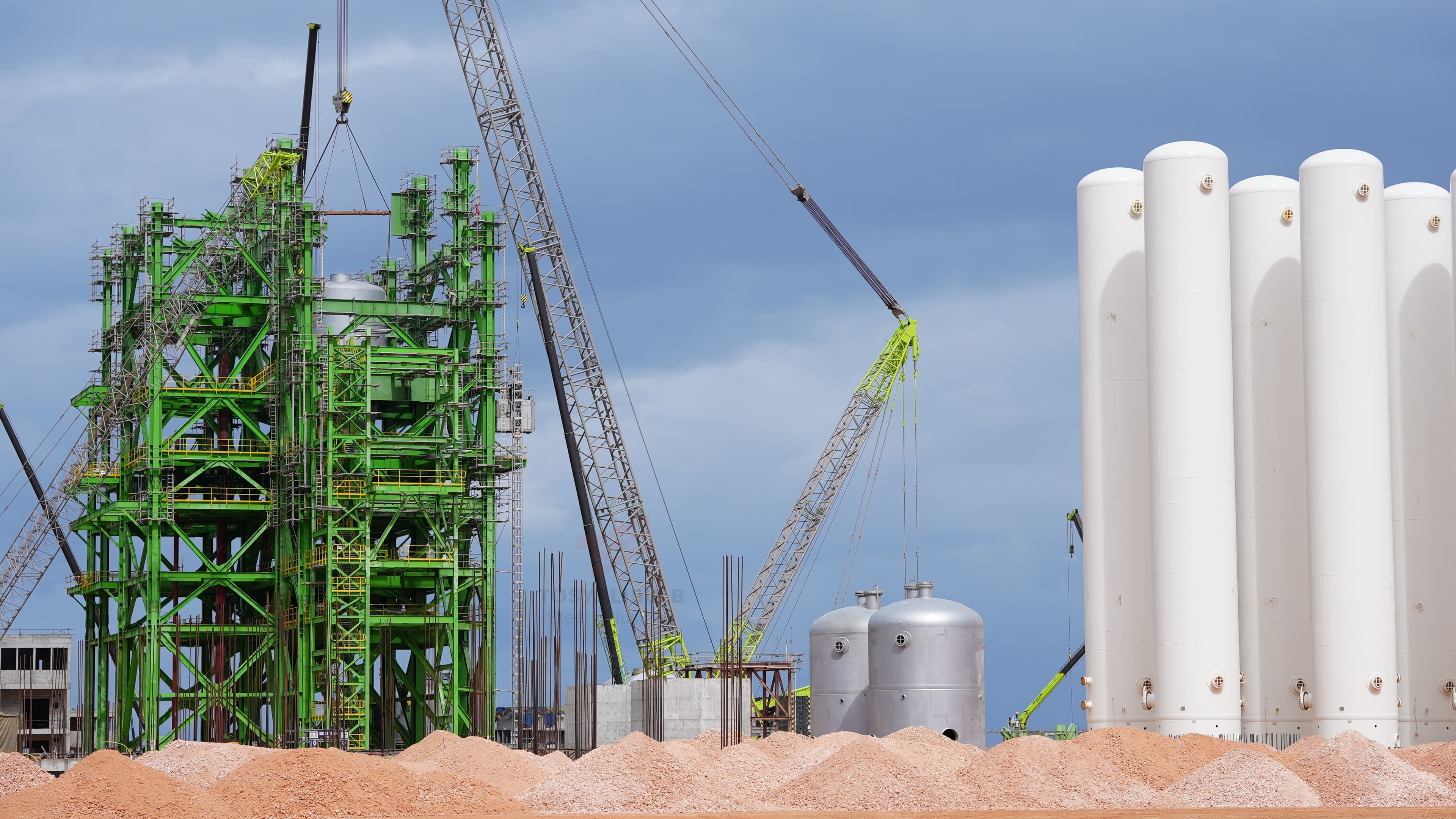
East of Benghazi, a large stretch of land at Ras Al-Mangar is being transformed into something Libya has never seen before.
This is the site of Tosyali-SULB’s new iron and steel complex. The site, which extends over about 380 hectares, is planned to produce up to 8.1 million tons of direct reduced iron per year at full capacity.
The idea is to create a centre where Libya can manufacture at scale and have direct access to clients out of the country. As part of the development a dedicated export port is planned, giving the complex a connection to international markets and a much easier route for Libyan-made products to reach customers overseas.
This is important for Tosyali-SULB as the company is being built with the Libyan market and international markets in mind. The location near Benghazi provides the project with access to the Mediterranean coast and the size of the complex gives Libya the opportunity to become a much more prominent player in the steel industry.
The complex is based around direct reduced iron, with plans to use less energy and create less emissions than more traditional means of steel production. The project aims to reduce energy use by 25 percent and carbon emissions by 30 percent compared with traditional production methods.
That’s a good place to start for a new steel complex. The industry is changing and how steel is produced is becoming as important as how much is produced. Since they are building Ras Al-Mangar from the ground up, Tosyali-SULB has the chance to think about both from the start.
And then there are the people who will make all of this happen.
It is expected to create some 7,000 jobs in construction and operational phases. But it will need engineers and technicians, as well as contractors and businesses involved in transportation, logistics, maintenance, construction and other services around the complex.
That is where the scale of Ras Al-Mangar starts to mean something more than the limits of the site. A steel complex of this size cannot run by itself. It needs people, services, infrastructure and businesses around it and those links can be part of a much wider industrial network.
Commercial production is currently scheduled to start in May 2027, with the first export shipments expected a few months later. There is still a lot of work ahead. But what is being built at Ras Al-Mangar is beginning to reveal the potential of Tosyali-SULB. Not only a new steel plant just outside Benghazi, but one where Libyan production can reach directly into an industry and market that reaches far beyond the country.
References:
1.Alushibe News. (2026, October 12). Alushibe News |Alushibe Holding Group Updates Ahmed Gadalla. https://www.alushibenews.com/#about-us
2.Ahmed Gadalla, Building the Future of Libya. (2026d, October 12). Ahmed Gadalla | Alushibe – Building Libya’s Future. https://www.ahmedgadalla.com/
3. Libyan Cement Company. (n.d.-d). Libyan Cement Company. https://www.lcc.ly/
4.Zulfa Food Industries — Coming soon. (n.d.-b). https://www.zulfa.ly/site-access?redirect=%2F